Tuesday, 31 December 2013

Polyvore skills development


This enabled me to use the "Create" option to begin a blank canvas, using the search toolbar to find similar clothing to the ones i intend to use in my photoshoot. You then click and drag items into the collage and resize them as you wish.
 I could also develop my collage further by adding detailes such as hairstyles, makeup and propps in section called "Embellishments". This added depth to my photoshoot and will make it faster when switching between outfits.
 I finally added text to label each collage as "RARE PHOTOSHOOT", as well as add my name. I thus completed three finished looks for my main feature and cover photoshoot...
Sunday, 29 December 2013


Friday, 27 December 2013

Thursday, 5 December 2013
Press release
Press release
Noticing a gap in the market for a dedicated indie magazine?
As are we! With no real contender for a highbrow alternative music magazine, “Rare”
aims to fulfil this. Coming to you from IPC publishers, this magazine reaches
out to those with an acquired musical taste. Proud to represent the indie
genre, it will focus mostly on indie pop and rock bands and artists, both in
the charts and out. With this genre comes the nostalgia, and the opportunity to
incorporate the interests of a female 16-20 year old audience, showcasing the
very best vintage fashion in disposable feel photo-shoots. Our unique selling
points includes our indie festival feature which will appear on the contents of
our first issue, addressing festivals all over the world.
Issues will appear monthly, beginning the 10th
February 2014, finding the freshest new music from all over the UK. Costing £3
an issue, IPC will distribute 1,000,000 printed issues each month, with equal
volumes sold to every corner of the UK. It will be available to buy from any
local newsagent, as well as appearing in many student areas, and music shops
such as HMV. “Rare” will also be launching an app on the same date. Costing £5,
it will allow our savvy consumers to view the magazine digitally, with our photo
shoots conveying the same nostalgia through your screen and allowing you to
physically turn the page with a stroke. You can also subscribe to the magazine
from March 2014, costing only £30 annually, and receiving loyal subscriber opportunities
such as ticket prizes!
Friday, 29 November 2013


Thursday, 21 November 2013

Friday, 15 November 2013

Thursday, 14 November 2013
Primary research- audience


-My magazine will be a monthly issue, as the most popular response was that respondents would buy a magazine monthly. This means that my issue will have to draw in subjects relevant to the particular month and even include seasonal colours and symbols.
- In response to the question "what would attract you into buying a music magazine?", the three most popular responses included interviews of bands and artists, festival articles and tour dates of bands and artists. These will therefore all appear as cover lines on my magazine, one of which being the main one. Other popular responses will appear on my contents page including: ratings and reviews of bands, albums and singles etc as well as music recommendations and fashion in the music industry. Not only have these responses helped to fill in the content of my magazine but have hinted to some of the Phsycographics of my audience as they are interested in more in bands and festivals, rather than music technology which only received 2.96% of responses.
- In response to the question "please tick 3 of your favourite music genres", the two most popular responses included indie pop (50%) and indie rock (50%). My magazine will therefore be dedicated to the indie/alternative genre being mainstream in the sense that it will attempt to cover the indie genre on a whole, but niche as it will include music from only this genre, and not pop or rap for example. This will enable me to create a house style which is slightly alternative, perhaps defying the conventions of a cover the way the indie genre is a less mainstream genre. I could present this with a model performing something different to a dierect stare, or a masthead which appears in the bottom third.
-With over 50% of respondents stating that they purchase music through itunes, i could use this to create a puff advertising an itues voucher prize.
-The phsycographics of my audience were elaborated in response to the questions "what are your interests?" and "what do you do in your spare time?". The three most popular answers to the former included shopping, gigs and concerts and social outings (all over significantly over 50%). The latter: music, fashion and theatre. I can therefore use this to create a detailed target audience design. As well as this, I can use these responses to create more depth in my articles. for example due to a popular interest being fashion, and 62% of people enjoying shopping, I can dress my model in clothes relevant to this months trends to draw my audience into buying the magazine. I could even go further to include a contents feature looking at fashion in the music industry. It was also helpful to see that 81% of those questioned stated that music was an interest of theirs, showing that my target audience will be interested in buying a music magazine.
-Lastly, in response to "Have you ever attended a music festival, if so how often?", 28/36 people had attended a music festival, 18 of them annually. This therefore shows that my target audience have a solid and consistent interest in music festivals, which, combined with the popular response to music festivals in question 4 (41%), could be a popular main article for my double page spread.
Monday, 11 November 2013
survey monkey skills development

I begun on survey monkey selecting the "add survey" button, taking me to the title page. Here I wrote the appropriate title for my questionnaire. I also selected the education category to show my respondents the purpose of my questionnaire

I then selected add question, taking me to the page where you can construct a question. By selecting "multiple choice (multiple answers)", I could create a closed answer question which would allow me to analyse the results easily, by incorporating statistics. I could also select the layout of the question.

 I then went on to type in my question answer options, so that I could get a feel for the audience in which my magazine would be aimed at.
After selecting "save and close", I could view my question to see if the layout and question options were correct. I could also edit the question if required.

Thursday, 7 November 2013
The representation of the band

The Band are dressed in black which has connotations of a
new mature attitude. The placing of the band is unconventional. This is because they are positioned on different levels which suggests a band superior to the conventions of a cover's medium close up. The slightly more untidy positioning also gives a hint a younger more disorganised attitude. The front man (Alex turner) is the only member performing a direct stare into the camera which shows his importance. Their clothing is smart and slick which shows they are a respected, good quality band.

The double page spread includes swearing (non pc language) in reference to the band. "How have Arctic Monkeys avoided the knob heads". This shows a youthful touch, and reaches out to audiences of a young adult age. It represents their youth, yet are dressed in suits to show an aspect of maturity. Alex is once again represented with importance as he wears a stand out blue shirt. The statement title of "fire and ice" has connotations of power, as both of which are things known to kill. The are also opposing which shows they are dynamic and controversial, different to any other band. The red smoke used in the photo shoot surrounds that band and connotes a sense of danger. They have also a hint of their edgy Sheffield roots to show still their originality.
With representation comes the question of who decides the way we perceive the band. Due to a come back album and tour, a recent article about Arctic monkeys revealed that singer Alex thought their name to now be stupid and immature. Here we can see that the band have, in discussion with their manager, obviously had input into a balance of both youth and maturity in this photo shoot. Due to experience and superiority of the band, it is likely they have more say in comparison to other artists. It is also clear that a production and art department would have also had input into the photo shoot, adding in the black in their costume and red smoke to coincide with the colour scheme of the magazine.
The double page spread includes swearing (non pc language) in reference to the band. "How have Arctic Monkeys avoided the knob heads". This shows a youthful touch, and reaches out to audiences of a young adult age. It represents their youth, yet are dressed in suits to show an aspect of maturity. Alex is once again represented with importance as he wears a stand out blue shirt. The statement title of "fire and ice" has connotations of power, as both of which are things known to kill. The are also opposing which shows they are dynamic and controversial, different to any other band. The red smoke used in the photo shoot surrounds that band and connotes a sense of danger. They have also a hint of their edgy Sheffield roots to show still their originality.
With representation comes the question of who decides the way we perceive the band. Due to a come back album and tour, a recent article about Arctic monkeys revealed that singer Alex thought their name to now be stupid and immature. Here we can see that the band have, in discussion with their manager, obviously had input into a balance of both youth and maturity in this photo shoot. Due to experience and superiority of the band, it is likely they have more say in comparison to other artists. It is also clear that a production and art department would have also had input into the photo shoot, adding in the black in their costume and red smoke to coincide with the colour scheme of the magazine.
Thursday, 17 October 2013
Wednesday, 9 October 2013
Evaluation section 4: What have you learned about technologies through this process?
Through learning the new technology of adobe programs such as Photoshop and indesign, I have learned a number of things.
-Due to the exploitation of media products, every photo displayed to us had been manipulated in some way. Whether its the simple changing of saturation, or extreme measures like airbrushing and cutting, every picture has been changed from the original image. Some of these methods I now know how to do myself to create the image I envisage. I have learned how to use tools such as the lasso, hue/saturation adjusters, colour selectors and the paint bucket, the magic wand, as well as various layer working to get an image close to that of professional standard.-I have also learned the importance of a flat plan when creating pages. This is so that you have a clear image in your mind of the product you would like to create, and so that you can create the right quality product in the time provided. Also, to meet the correct conventions of a contents page for example, a flat plan including columns and gutters etc is vital to get the correct measurements and placing ideas.
-Lastly, I have learned that adobe programs or that of similar software are incredibly important when creating a product of high standard. Due to the precision in editing in Photoshop, and the professional layout designs you are able to create in indesign, a magazine worthy of purchase is the end product.
Tuesday, 8 October 2013

Indesign skills development

I began my contents page in photoshop, where i used my previous knowledge of the magnetic lasso tool to cut out the bubble in my picture, and adjusted the hue/saturation of the new layer to make it purple. I did this so that the picture on my contents page would relate to my previous front cover colour
scheme of purple and orange.

I now moved onto indesign. After creating my 3 columns, and appropriate bordering and guttering, created a new layer. It was here that i selected file, place to set my picture as the background for the contents.

Once my picture was in place, i inserted text boxes over the top of it. I did this by drawing a text/picture box, and placing text from word into it. I then used the swatches on the right hand side to change the colour of the boxes as well as the text to match my colour scheme. I then used the select mouse (white mouse) to drag the lines of my text boxes away to create a more choppy effect.

After creating and editing my title, i created a new layer. It was here that i was able to use file, place again to import my image and move it to the correct position in my page. I developed it further from the screen grab by using the select mouse to rotate it diagonally to add more to my choppy,creative theme.

After drawing an appropriate text box, i used file place to get my editors note from word. This fitted to the shape of my column. I then used the select mouse to rotate the box to a diagonal angle, matching my text boxes.

Lastly, i drew a box the size of my logo. I then pasted the CCN logo into the box. By selecting object, fitting and fit content to frame, i could make the logo the appropriate size.
Monday, 7 October 2013

Wednesday, 2 October 2013

Tuesday, 1 October 2013
Applying photoshop to my college mag cover.

-I used the blemish brush and the blur tool to correct skin imperfections in my models skin.
-I also used, firstly the colour selector to find the exact colour of her lips, and used the paintbrush tool to perfect gaps in the lipstick of my model.


I had to begin my selecting a new A4 piece of paper and fitting my photograph to it, without stretching the image. This allowed me to make appropriate changes.

I therefore decided to add a block colour background to make a statement colour scheme using the bucket too, as well as only adding minor hue/saturation adjustments to my picture. I also used the hue/saturation to change the colour of my masthead to match my background colour.
Tuesday, 24 September 2013
Photoshop basics

1. Today I began by learning the very basics of Photoshop, beginning by opening a new page by selecting: file, new. As well as adding a photo by selecting: File,open. Thus allowing me work on my photo.

2. I continued further into the basics, learning how to adjust hue/saturation levels by selecting: image, adjustments, hue/saturation. This allowed me to make my photo more arty looking.
3. Then using the polygonal lasso tool, I was able to cut out and delete a section of the eye, and fill it in red to create an 'evil' effect.


4. I then learned to use the magnetic lasso tool which enabled me to cut out my image. By pressing control J, I could then copy my image into a new layer and thus create a duplicating effect. Then, with my prior knowledge of adjusting hue/saturation levels, I could change the colour of each layer accordingly.
Sunday, 22 September 2013
Thursday, 19 September 2013
Wednesday, 18 September 2013
Tuesday, 17 September 2013
Tuesday, 10 September 2013
What is a magazine?
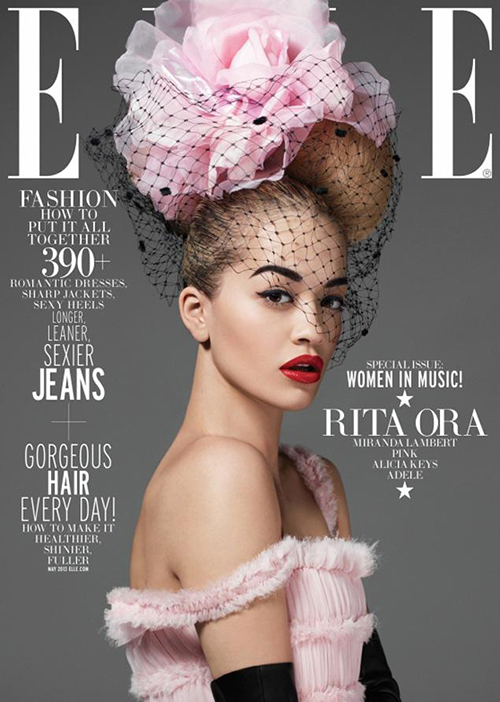
A magazine is stereotypically a print book between the sizes of A4 and A3. They each stick to a certain subject/interest, and contain a series of pictures, articles and advertisements in around 80-90 pages. The front page is often printed on gloss/matt paper, depending on the genre, and are usually released either weekly or monthly. The magazine follows a particular house style in every issue released, and tends to relate to current social situations in the colours, for example Christmas or particular seasons. There is a magazine for almost any interest or hobby, but can also be a resource for news etc.
Sunday, 8 September 2013
Apple iphone tv advert
- The creator of this iphone advert is likely to be an advertisement
team/company dedicated to 'Apple' products.
- A theme throughout apple advertisement is the soft piano music used
over their adverts. Therefore, as soon as the advert begins, the familiar music
grabs the audience, and allows us to make the connection that it is an apple
product. There is repeated use of long camera shots displaying open spaces and
beautiful scenery. This automatically draws the audience to watch, and reflects
a sense of importance with regards to the product and the company. As well as
this, the device of verisimilitude is used, as we are shown repeated shots of
situations reflective of everyday life. Examples include a bus journey or a
shower. This is effective in attracting the viewer’s attention, as it shows us
the things we do in our everyday lives, suggesting the product is something we
as an audience will appreciate. Lastly, the significant focus of the advert is
the iphone music function, rather than the phone in general. Along with this
came the digetic music in each small scene which covered a wide umbrella of
music genre. There was dance music in the shot of a party, as well as chart
music in the shower and a drum and bass song in the car. This is successful in
drawing the attention of anyone interested in music which is the target
audience of the advert.
- To me, the advert shows the way in which music can bring enjoyment to
everyday life, and that the iphone is the most common and youthful way of doing
so. People whose lives are more business and work orientated could have
understood the message to be that the music can assist you at work, and help
you to improve, as the advert included an athlete using the music to prepare
himself for training. This could also be the case for those committed to
sports, with the appearance of a dancer.
- Omitted from the advert, is any presence of older generations, with
the actors featured appearing around 30yrs and below, and the general
lifestyles conveyed appearing to be that of younger people. There are also no
references to the other functions of the phone, as the advert clearly focuses
on the music application. It is therefore clear that the target audience of
this particular iphone advert are the younger generation. Due to modern
society, younger people tend to be more technology savvy, explaining the lack
of reference to the technological parts of the phone. Also, stereotypically,
younger audiences take more of an interest in music compared to the older. If
there had have been either of these aspects included, i think the target
audience of the advert would have been more unclear, and the fast pace youthful
theme would not have been as significant, possibly resulting in a less
attracting and inspiring advert. Due to the budget and size of the company,
apple afford to release multiple adverts for each product, each one with a
definitive target audience.
- Lastly, the purpose is overall persuasion to buy the product so that
apple can make a profit, done through the message that the iphone is the most
popular phone worldwide.
Thursday, 5 September 2013
Welcome to my blog
Hi. my name is Eve Woods and i'm an AS media student in media at City College Norwich. Here i will be recording all of my progress in my foundation portfolio. I'm very interested in media, and am taking this course to expand my media knowlegde and decide whether i want to enter into the media industry!
Hi. my name is Eve Woods and i'm an AS media student in media at City College Norwich. Here i will be recording all of my progress in my foundation portfolio. I'm very interested in media, and am taking this course to expand my media knowlegde and decide whether i want to enter into the media industry!
Subscribe to:
Comments (Atom)